როგორც ინტეგრაციული მედიცინის ექიმი და ველნესის მწერალი, ხშირად მესმის, რომ ქალები იმედგაცრუებას გამოხატავენ თუ ცელულიტის გამო შეწუხებთ, მე შენთან ვარ, რადგან თავად ვებრძოდი მასთან! საშუალო ასაკი ჩვეულებრივ არ არის კეთილი ჩვენი ბარძაყების მიმართ და, როგორც ჩანს, ცელულიტი არსა ცელულიტთან გამკლავება შეიძლება იმედგაცრუებელი იყოს, განსაკუთრებით მაშინ, როდესაც გსურთ კარგად გამოიყურებოთ საცურაო კოსტუმში ან მიუხედავად კრემებისა და „სასწაულო ფიქსირებისა“, რომლებიც ცელულიტის გამოსასწორებლად გამოირჩევა, ის რჩება ერთ-ერთ ყველაზე
ცელულიტის მოვლა არ ეხება სწრაფ გამოსწორებას ან სასწაულო განკურნებას. თქვენი ბარძაყებისა და ბარძაყების გარეგნობის გასაუმჯობესებლად აუცილებელია გაიგოთ რა ხდება კანის ქვეშ და გამოიყენოთ მეცნიერებაზე დაფუძნებული სტრატეგიები ამ ძირითადი პრობლემ მოდით გამოვყოთ მითები ფაქტებისგან, რათა ბუნებრივად გაასუფთავოთ კანი და თავი უფრო თავდაჯერებულად იგრძნოთ ნებ
რა არის ცელულიტი + რატომ ხდება ეს?
ცელულიტი ხდება მაშინ, როდესაც ცხიმი გადის კანის ქვეშ არსებულ ბოჭკოვან შემაერთებელ შედეგი არის ცხიმის არათანაბარი განაწილება, რომელიც ქმნის ღრილებს. ცელულიტი ყველაზე ხშირად ჩნდება ბარძაყებზე, თეძოებზე და დუნდულებზე ამ ადგილებს უფრო მეტი ბოჭკოვანი კოლაგენი აქვთ, ვიდრე სხვა ადგილებს, რის გამოც, მაგალითად, წინმკლავზე ცელულიტს არ მიიღებთ.
თუ ცელულიტი გაქვთ, მარტო არ ხართ! იგი გავლენას ახდენს ქალების 80% -დან 98% -მდე პუბერტ ეს ასევე არ ნიშნავს, რომ მსუქანი ხართ! ქალებს განვითარდება ცელულიტი მიუხედავად მათი წონისა და რამდენად ვარჯიშობენ. ახალგაზრდა ქალებსაც აქვთ ცელულიტი, ამიტომ ეს პრობლემაა, რომელთანაც ქალები მთელი ცხოვრების განმავლობაში ცელულიტი არ არის დაავადება და ეს არ ნიშნავს, რომ არაჯანსაღი ხართ. ეს უფრო კოსმეტიკური პრობლემაა.
ცელულიტის სამი ძირითადი მიზეზია:2,3
- შემაერთებელი ქსოვილის ზოლები (ბოჭკოვანი სეპტა) ჩამოდის კანზე
- ცხიმის უჯრედები ზემოთ მიდიან ზედაპირისკენ
- კანის ელასტიურობა მცირდება ასაკთან ერთად, ჰორმონებით ან შემცირებული კოლაგენით
არავინ არის დარწმუნებული რა იწვევს ცელულიტს, მაგრამ რადგან ის უფრო ხშირია ქალებში, ჰორმონები ალბათ როლს ასრულებენ. ესტროგენი გავლენას ახდენს მიმოქცევაზე, ლიმფური ნაკადზე და ცხიმის განაწილებაზე, ქალები უფრო მეტ ცხიმს ინახავენ ბარძაყებსა და თეძოებში, ხოლო კანის ქვეშ არსებული ბოჭკოვანი ზოლები პარალელური მიმართულებით მოძრაობენ და ქვემოთ იყვიან. გენეტიკა, ჰიდრატაცია და ცხოვრების წესის ჩვევები ასევე ხელს ცუდი მიმოქცევა, მჯდომარე ცხოვრების წესი, სითხის შენარჩუნება და ლიმფური შეშუპება დიეტა ასევე მნიშვნელოვან როლს ასრულებს, რადგან ადამიანებს, რომლებიც ჭამენ უფრო დამუშავებულ საკვებს (შაქრით და ცხიმებით) ან სვამენ ძალიან ბევრ ალკოჰოლს, უფრო მეტად აქვთ ცელულიტი.4
ცელულიტი არ არის ცუდი ჯანმრთელობის ნიშანი; ეს არის ადამიანის კანის რეგულარული სტრუქტურული მახასიათებელი. ცელულიტის მოვლის მიზანი არ არის სრულყოფა, არამედ გაუმჯობესება თუმცა, ცელულიტის განვითარებისა და მისი მკურნალობის შესახებ მრავალი მითი არსებობს. მოდით გამოვყოთ ფაქტი ფაქტობისგან.
მითი წინააღმდეგ. ფაქტი: ცელულიტის საუკეთესო მითების დაშლა
მითი #1: „მხოლოდ ადამიანები, რომლებიც არ ვარჯიშობენ, იღებენ ცელულიტს“.
ფაქტი: ცელულიტმა შეიძლება გავლენა მოახდინოს ყველა სხეულის ტიპის ქალებზე, მათ შორის მათზე, ვინც რე მიუხედავად იმისა, რომ სხეულის დამატებითი ცხიმს შეუძლია გახადოს დიმპლინგი უფრო ხილული, არსებობს
შემაერთებელი ქსოვილის სტრუქტურა, ჰორმონები და გენეტიკა განსაზღვრავს, სად ჩნდება სპორტსმენებსაც კი შეიძლება ჰქონდეთ ეს! ვარჯიში ხელს უწყობს კანის ქვეშ მყოფი კუნთების ტონიზაციას და მიმოქცევის გაუმჯობესებას, რამაც შეიძლება შეამციროს ცელულიტის გამოჩენა, მაგრამ
მიღება: რეგულარული ფიზიკური აქტივობა ხელს უწყობს ჯანსაღი მიმოქცევას და მყარ კანს, მაგრამ სპორტულ სხეულ თქვენ არაფერს აკეთებთ ცუდად, თუ ვარჯიშობთ, მაგრამ მაინც გაქვთ ცელულიტი
მითი #2: „ცელულიტის აღმოფხვრა შეგიძლიათ ღამით კრემით.“
ფაქტი: მიუხედავად „სასწაულო კრემებისა“ და რამდენიმე სხვა გაჯეტის დაპირებისა, ცელულიტის მყისიერად წაშლა კვლევებმა აჩვენა, რომ აქტუალური მკურნალობის უმეტესობა საუკეთესო შემთხვევაში დროებით გაუმჯობესებას იძლევა
თუმცა, თანმიმდევრულობას აქვს მნიშვნელობა. ვარჯიშის, დატენიანების, თვითმასაჟისა და კანის დამხმარე მოვლის შერწყმით შეგიძლიათ მიაღწიოთ გლუვ კანს.
ცელულიტის მოვლა ხანგრძლივი თამაშია. ხილულ პროგრესს შეიძლება დასჭირდეს კვირები ან თვეები და არა დღეები.
შენიშვნა: გარკვეულ სამედიცინო მკურნალობას, როგორიცაა შოკის ტალღის თერაპია და კანქვეშა ინექციები, შეიძლება სწრაფად გააუმჯობესოს ცელულიტის გარეგნობა, მაგრამ საჭიროებს ინვაზიურ პროცედურებს სამედ
მითი #3: „ცელულიტი ნიშნავს, რომ არაჯანსაღი ხართ“.
ფაქტი: ცელულიტს არაფერი აქვს კავშირი დაავადებასთან ან ცუდ ჯანმრთელობ ეს არის კოსმეტიკური მდგომარეობა, რომელზეც გავლენას ახდენს ისეთი ფაქტორები, როგორიცაა ცხიმის სტრუქტურა, შემაერთებელი ქსოვილი, ჰორმონები, გენეტიკა და სხვა გარემო და ბიოლოგიური ფაქტორ
თუმცა, ცუდმა მიმოქცევამ, ქრონიკულმა ანთებამ და დეჰიდრატაციამ შეიძლება ცელულიტი ჯანსაღი ცხოვრების წესის შენარჩუნებამ მთლიანი საკვებით (და ნაკლები დამუშავებული საკვებით), ფიზიკური აქტივობით და სითხის ადეკვატური მიღებამ
მითი #4: „მშრალი გახეხვა, ყავის სკრაბი და მასაჟი არ მუშაობს“.
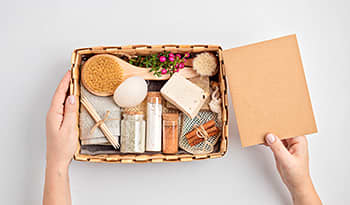
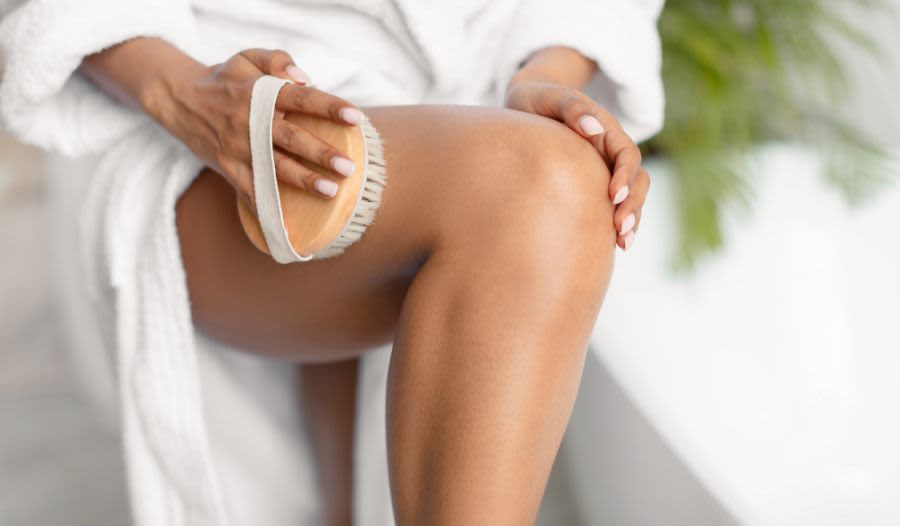
ფაქტი: ინსტრუმენტები, როგორიცაა ცელულიტის მშრალი გახეხვის ჯაგრისები, სილიკონის ჭიქები და ლიმფური სადრენაჟო ხელსაწყოები შეიძლება არ „განკურნოს“ ცელულიტს, მაგრამ მათ შეუძლიათ ხელი შეუწყონ კანის თვალსაჩინ მიუხედავად იმისა, რომ მაღალი ხარისხის რანდომიზირებული კონტროლირებადი კლინიკური კვლევები აკლია, ანატომიური და სისხლის მიმოქცევის პრინციპების არსებული ცოდნა
მშრალი გახეხვა შხაპის წინ ან შემდეგ სილიკონის როლიკერის გამოყენება ხელს უწყობს:
- ლიმფის ნაკადის სტიმულირება (შეიძლება დაგეხმარებათ დროებით შემცირდეს სითხის შეკავების გამოჩენა)
- გააცალეთ კანის მკვდარი უჯრედები
- გააუმჯობესეთ სისხლის მიმოქცევა კანის ქსოვილის საკვებად {
გამკვრივებელ ან ანტიცელულიტურ მასაჟის ზეთთან შერწყმის შემთხვევაში, ეფექტი გაძლიერდება. ზეთიდან კანის დატენიანება აუმჯობესებს ელასტიურობას, ხოლო მასაჟი ხელს უწყობს სხეულის ნარჩენების მოცილებას
მითი #5: „ჰიდრატაცია და ვარჯიში არ მოქმედებს ცელულიტზე“.
ფაქტი: როდესაც საკმარის წყალს სვამთ, თქვენი კანის ელასტიურობა უმჯობესდება და ტოქსინები უფრო ეფექტურად გამოირეცხება. რეგულარული ვარჯიში, განსაკუთრებით სიძლიერის ვარჯიში გლუტების, ბარძაყებისა და ჰუმსტრინგებისთვის, ტონიზირებს
კვლევები ვარაუდობენ, რომ ვარჯიში აძლიერებს ლიმფის ნაკადს, ამცირებს წყლის შეკავებას და თანდათანობით გაა
მტკიცებულებებზე დაფუძნებული ცელულიტის მოვლის რუტ
ინვაზიური მკურნალობის გარეშე ცელულიტის გამოჩენის შემცირების რამდენიმე გზა არსებობს. ძირითადი პრინციპია მიმოქცევის გაზრდა, ჰიდრატაციის შენარჩუნება და ლიმფისა
1. სტიმულირება მიმოქცევა მა
გამოიყენეთ ლიმფური სადრენაჟო ხელსაწყოები, სილიკონის ჯაგრისები ან როლიკერები ბანაობის შემდეგ, რათა ხელი შეუწყოთ ლიმფისა და ეს ინსტრუმენტები ხელს უწყობს ჭარბი სითხის მოცილებას და მხარს უჭერს სხეულის
როგორ გავაკეთოთ ეს:
- იმუშავეთ გრძელი, ზემოთ ინსულტირებით გულისკენ
- დახარჯეთ დაახლოებით 2-დან 3 წუთამდე თითო ტერიტორიაზე
- მიჰყევით ანტიკელულიტური მასაჟის ზეთი ან სხეულის შრატი კანის ჯანმრთელობის გასაუმჯობესებლად
დროთა განმავლობაში შეამჩნევთ რბილ და გლუვ კანს. მასაჟი ასევე არის თვითმოვლის რუტინის ნაწილი, რომელიც დაგეხმარებათ იგრძნოთ უფრო მოდუნებული.
2. გამოიყენეთ ბუნებრივი მასაჟის ზეთები დატ
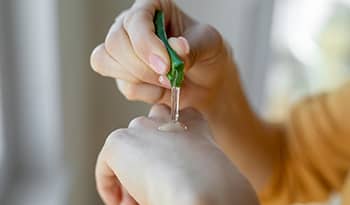
მოძებნეთ ზეთები, რომლებიც დაფუძნებულია კოფეინით, ბოტანიკური ან ეთერზეთებით. მასაჟის ზეთი ხელს უწყობს კანის დატენიანებას და მის ინგრედიენტებს შეუძლიათ გაზარდოს სისხლის
კიდევ რამდენიმე გამოკვლეული ინგრედიენტი მოიცავს:7-9
- კოფეინი: შეიძლება გააუმჯობესოს მიკროცირკულაცია და დროებით გამყაროს კანი {2
- გოტუ კოლა (Centella asiatica): მხარს უჭერს კოლაგენის სინთეზს
- როზმარინის ან გრეიფრუტის ეთერზეთები: ანთების საწინააღმდეგო, შეიძლება დაგეხმარონ კანის
წაისვით ანტიცელულიტური მასაჟის ზეთი შხაპის ან ექსფალირების შემდეგ. დაუთმეთ რამდენიმე წუთი მის მასაჟისთვის, რათა გაზარდოთ შეწოვა და დასვენება
3. გააცალეთ ყოველკვირე
ნაზი ექსფოლირება შლის მკვდარ უჯრედებს და ასტიმულირებს კანის ახალი უჯრედების ბრუნვას, რაც საშუალებას აძლევს ზეთებსა და ჰიმალაის ან მინერალებით მდიდარი სკრაბებმა შეიძლება გააუმჯობესოს კანის გარეგნობა კვირაში ერთხელ ან ორჯერ
საუკეთესო შედეგისთვის:
- წაისვით სკრაბი ნესტიან კანზე წრიული მოძრაობების გამოყენებით
- კარგად ჩამოიბანეთ
- გააშრეთ და მოჰყავით მასაჟის ზეთი
ეს სამსაფეხურიანი რიტუალი (ექსფოლირება, მასაჟი, დატენიანება) ხელს უწყობს კანის მტკიცე და თანაბარი ტონის თქვენ ასევე კარგად იგრძნობთ თავს საკუთარი თავისთვის რამის გაკეთებისას!
4. იყავი დატენიანებული და აქტიური
დატენიანებული კანი ჯანმრთელია. დალიეთ წყალი მთელი დღის განმავლობაში და მიირთვით ანტიოქსიდანტებით მდიდარი საკვები (კენკრა, ფოთლოვანი მწვანილი, ციტრ მოერიდეთ დამუშავებულ საკვებს (ყველაფერი, რაც ინგრედიენტებს აქვს, რომელსაც თქვენი დიდი ბებია ვერ
რეგულარული ფიზიკური აქტივობა ხელს უწყობს სისხლს და ლ თქვენ მხოლოდ დღეში დაახლოებით 30 წუთის ვარჯიში უნდა მიიღოთ სარგებელი. სიარული, ძალის ვარჯიში და იოგა დაგეხმარებათ მიმოქცევასა და კუნთ
ცელულიტის მოვლის აზროვნება
ბევრი ქალი გრძნობს ზეწოლას ცელულიტის დამალვის ან „გამოსწორების“ მიზნით, მაგრამ ეს ნორმალურია, როდესაც სხეული გაქვთ. ცელულიტის არსებობა არ ნიშნავს იმას, რომ არაჯანსაღი ხართ ან არ ხართ ფორმა. იმის გამო, რომ ქალების 98% -ს აქვს ცელულიტი, არავინ ვერ განსჯის! ამასთან, თვითმასაჟი, ექსფოლინგი, სწორი კვება და ფიზიკური აქტივობა თვითმოვლის მნიშვნელოვანი ასპექტია. იყავით თანაგრძნი საკუთარ თავთან და პრიორიტეტი გააკეთეთ თქვენს საერთო კეთილდღეობაზე, ვიდრე ფო მთელ თქვენს სხეულს შეუძლია ისარგებლოს მრავალი ამ მარტივი ცვლილებებით და თქვენ თავს უფრო მეტად უკავშირდებათ თქვენს სხეულთან, ზუსტად ისე, როგორც
ცნობები:
- ბასი LS, კამინერ მს. ცელულიტის პათოფიზიოლოგიის შეხედულებები: მიმოხილვა. დერმატოლის ქირურგი. 2020; 46 (1) :S77-S85. doi:10.1097/დს.00000000000000002388
- დე ლა კასა ალმეიდა მ, სუარეს სერანო C, რებოლო როლდან ჯ, ხიმენეზ რეჯანო ჯ. ჯ. ცელულიტის ეტიოლოგია: მიმოხილვა. ჯ ევრო აკად დერმატოლ ვენეროლი. 2013; 27 (3): 273-278. doi: 10.1111/ჯ. 1468-3083.2012.04622.x
- პრობსტლ TM. [ცელულიტი]. სამხედრო 2010; 61 (10) :864-872. doi:10.1007/s00105-010-1986-8
- ადამიდისი ნ, პაპალექსი პ, ადამიდის ს. შეისწავლა კავშირი მეტაბოლურ სინდრომსა და ცელულიტს შორის. კურეუსი. 16 (6) :e63464. doi: 10.7759/კურეუსი.. 63464
- ცელულიტი: მკურნალობა, მიზეზები, პრევენცია, განმარტება და სხვა. ჯანდაცვის ლაინი. 2017 წლის 18 დეკემბერი. წვდომილია 2025 წლის 22 ოქტომბერს. https://www.healthline.com/health/cellulite
- ლიმ სკ, გულტეკინი გ, სურესან ს და სხვ. ცელულიტის მკურნალობის მოდალობების შედარებითი ანალიზი: სისტემური ესტ პლასტის სიურგი. 2025; 49 (7) :2051-2075. doi:10.1007/s00266-024-04365-8
- ჰერნანდესი AN, ბოსკარიოლ რ, ბალკაო VM, ვილა MMDC. კოფეინის ტრანსდერმული გამტარობა იონური სითხეებით დახმარებული: ცელულიტის გაძლიერებული მკურნალობის პოტენციალი AAPS ფარმასიცეკი. 2021; 22 (3) :121. doi: 10.1208/s12249-021-01956-5
- Witkowska K, Paczkowska-Walendoska M, Garbiec E, Cielecka-Piontek J. Centella asiatica— ის აქტუალური გამოყენება ჭრილობის განკურნებაში: ბოლოდროინდელი შეხედულებები მექანიზმებისა და კლინიკური ეფექტურობის შესახებ. ფარმაცევტია. 2024; 16 (10): 1252. doi: 10.3390/ფარმაცევტია16101252
- დე მაკედო LM, სანტოსი ემდი, მილიტაო ლ და სხვ. როზმარინი (Rosmarinus officinalis L., syn Salvia rosmarinus Spenn.) და მისი აქტუალური გამოყენებები: მიმოხილვა. მცენარეები (ბაზელი). 2020; 9 (5) :651. doi: 10.3390/მცენარეები9050651
შენიშვნა:
ეს განცხადებები არ არის დამტკიცებული აშშ-ის სურსათისა და წამლების ადმინისტრაციის (FDA) მიერ. ეს პროდუქტები არ არის განკუთვნილი დაავადების დიაგნოსტიკისთვის, მკურნალობისთვის, განკურნებისთვის ან პრევენციისთვის.


























































 შინაარსის ცხრილი