ძირითადი მიზნები
- ნაწლავი და იმუნური სისტემა მჭიდროდ არის დაკავშირებული: სხეულის იმუნური აქტივობის დიდი ნაწილი დაკავშირებულია საჭმლის მომნელებელ ტრაქტთან და მიკრობიომთან.
- მკვლევარებმა შეისწავლეს კავშირები ნაწლავის ჯანმრთელობასა და ალერგიებს შორის: მიკრობიომში ბაქტერიების ბალანსმა შეიძლება გავლენა მოახ
- დიეტამ და ცხოვრების წესმა შეიძლება გავლენა მოახდინოს მიკრობიომზე: ფაქტორებმა, როგორიცაა ანტიბიოტიკები, დამუშავებული საკვები, სტრესი და ძილი, შეიძლება ითამაშოს როლი ნაწ
- ბოჭკოებით მდიდარი და ფერმენტირებული საკვები ხშირად შედის ნაწლავების მხარდაჭერის კვების რეჟიმებში: იოგურტი, კეფირი, კიმჩი და მცენარეული საკვები ჩვეულებრივი მაგ
- პრობიოტიკები არის ერთი მიდგომა, რომელიც ზოგიერთი ადამიანი თვლის: გარკვეული პრობიოტიკური შტამები შესწავლილია მათი პოტენციური როლის მიხედვით იმუნურ
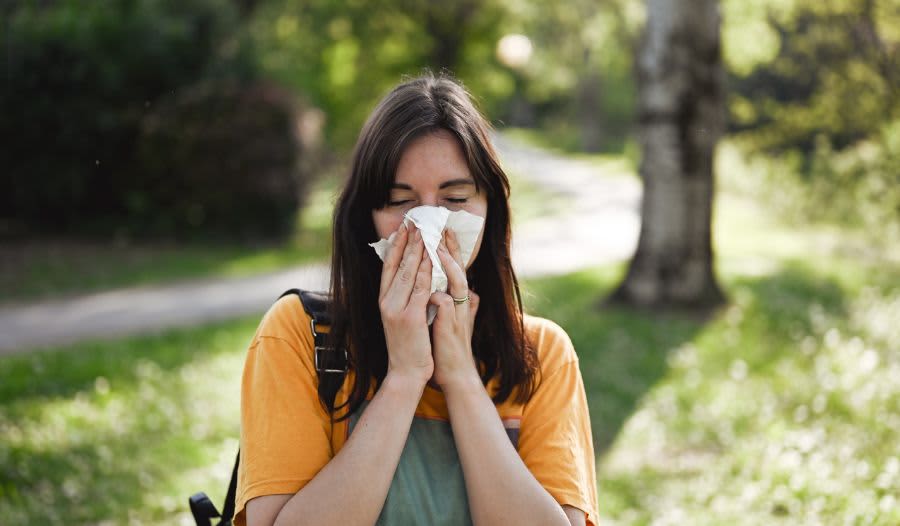
ალერგია, თივის ცხელება, ალერგიული რინიტი... რაც არ უნდა უწოდოთ, გრიპის მსგავსი სიმპტომები, რომლებიც ჩნდება ყოველ ჯერზე, როდესაც მტვერ
მიუხედავად იმისა, რომ სიმპტომები ძირითადად რესპირატორულია, ზოგიერთი კვლევა ვარაუდობს, რომ თქვენი ცხვირის, წყლიანი თვალების და ხველის ფესვი შეიძლება იყოს თქვენს ნაწლავში - ან, უფრო კონკრეტულად, ნაწლავის მიკრობიომში.
რა იწვევს სეზონურ ალერგიას?
ალერგიული რეაქციები იწყება ალერგენის შესუნთქვისას, როგორიცაა ბალახის, ხეების ან რაგვიდის მტვერი. მტვერი შეიცავს ნაერთებს, რომლებსაც შეუძლიათ თქვენი იმუნური სისტემის გააქტიურება და ანთება თქვენი პირველი ექსპოზიციის შემდეგ, თქვენი უჯრედები სწავლობენ მტვერისა და სხვა ალერგენების ამოცნობას და ქმნიან ანტისხეულის ტიპს, რომელსაც ეწოდება იმუნო
შემდეგ ჯერზე, როდესაც ამ მტვერს შეისუნთქავთ, IgE ურთიერთქმედებს იმუნურ უჯრედებთან, რათა გამოიწვევს ისეთი ნაერთების გამოყოფა, როგორიცაა ჰისტამინი, რომლებიც ჩართულია ასე რომ, შეგიძლიათ დაადანაშაულოთ IgE შემდეგ ჯერზე, როდესაც დაიწყებთ ცემინებას, როდესაც მეზობელი გაზონს
ნაწლავის ჯანმრთელობის როლი იმუნიტეტში
IgE რეაქციები არის ტიპი 2 იმუნიტეტის ნაწილი, იმუნური პასუხი, რომელიც ეხმარება თქვენს სხეულს განსაზღვროს და ებრძოლოს სპეციფიკური ანტიგენები - ნივთიერებები, როგორიცაა მტვერი, ტიპის 2 იმუნიტეტის დისბალანსმა შეიძლება გამოიწვიოს თქვენი იმუნური სისტემის გადაჭარბებული რეაგირება და გამოიწვიოს ჭარბი ანთება
თქვენი ნაწლავის მიკრობები ხელს უწყობენ და მხარს უჭერენ უფრო დაბალანსებულ ტიპის 2 იმუნურ პასუხს ბაზოფილების აქტივობის რეგულირებით, ალერგიულ რეაქციებში ჩართული სისხლის თ ჯანსაღი, დაბალანსებული ნაწლავის მიკრობიომი ასევე მხარს უჭერს უჯრედებს, რომლებიც ქმნიან ბარიერს თქვენს ნაწლავში, რათა ნაწლავის შინაარსი ვერ გადავიდეს თქვენს სისხლში და
რა კავშირია ნაწლავის ჯანმრთელობასა და ალერგიას შორის?
თქვენს ნაწლავსა და იმუნურ სისტემას შორის ურთიერთქმედებამ შეიძლება გავლენა მოახდინოს სეზონური ალერგი
- ნაწლავის ბარიერის ჯანმრთელობისა და მთლიანობის შენარ
- დაბალანსებული ანთებითი პასუხის ხელშეწყობა
- ჰისტამინის დონის გაზრდა ან შემცირება
- გავლენა ცხვირისა და ფილტვის მიკრობიომებზე
ალერგია, ნაწლავის ბარიერი და გაჟონვილი ნაწლავი
თქვენი ნაწლავის გარსი ბარიერი შედგება უჯრედებისგან, რომელსაც ეწოდება ეპითელური უჯრედები, რომლებიც ჩვეულებრი მაგრამ როდესაც თქვენ ექვემდებარებით გარემოს ფაქტორებს, როგორიცაა დამაბინძურებლები, პათოგენები ან ქიმიური საკვები დანამატები, ამ ეპითელურ უჯრედებს შორის სივრცეებმა ან ნაერთებმა შეიძლება გაფართოვდეს და გამოიწვიოს თქვენი ნაწლავ გაზრდილი გამტარიანობა, საერთოდ ცნობილი როგორც „გაჟონვილი ნაწლავი“, ასოცირდება ისეთ სიმპტომებთან, როგორიცაა გაზი, შეშუპება, დიარეა, საჭმლის მონელების დარღვევა და ალერგიული
თქვენს ნაწლავში არსებული სასარგებლო ბაქტერიები დაგეხმარებათ ბარიერის ჯანმრთელობის როდესაც ეს მიკრობები ანადგურებენ ბოჭკოებს საკვებიდან, ისინი გამოყოფენ ნაერთებს, როგორიცაა მოკლე ჯაჭვოვანი ცხიმოვანი SCFA-ები ეხმარება ეპითელურ უჯრედებს ენერგიის მათ ასევე შეუძლიათ ხელი შეუწყონ იმუნური უჯრედების მომწიფებას და დაბალანსებული იმუნური პასუხ SCFA, სახელწოდებით ბუტირატი, როგორც ჩანს, განსაკუთრებით დამცავს სეზონური ალერგიისგან, შესაძლოა მისი დაბალანსებელი ეფექტის გამო ტიპი 2 იმუნიტეტზე და IgE
A ვიტამინისა და ამინომჟავის ტრიპტოფანისგან წარმოქმნილი სხვა მეტაბოლიტებმა შეიძლება დაარეგულირონ თქვენი იმუნური სისტემა და ხელი შეუწყოს მიკრობიომის ჯანმრთელობას, რაც მნიშვნელოვანია ნაწლავის
ჰისტამინი და ნაწლავის მიკრობიომი
დაბალანსებულმა ნაწლავის მიკრობიომმა შეიძლება გაზარდოს ჰისტამინის დონე თქვენს ორგანიზმში და გააუარესოს სეზონური ალერგი მასტო უჯრედები ალერგენების საპასუხოდ ათავისუფლებენ შემდეგ ჰისტამინი აიწვევს თქვენს სხეულს გააგზავნოს სისხლი და იმუნური ნაერთები დაზარალებულ ადგილას, რაც იწვევს ანთებას და ალერგიის
ცნობილია, რომ ნაწლავის მიკრობების გარკვეული ჯგუფები წარმოქმნიან ჰისტამინს, მათ შორის Firmicutes, Clostridium, Bifidobacteriaceae და Clostridiaceae. ზოგიერთი კვლევა აჩვენებს, რომ სეზონური ალერგიის მქონე ადამიანებს აქვთ უფრო მაღალი დონე მიკრობები, როგორიცაა Firmicutes, ნაწლავებში, მაგრამ SCFA-ს წარმოებელი ბაქტერიების დაბალი დონე, როგორიცაა ბაქტერი მაგრამ Firmicutes-ს ასევე შეუძლია SCFA ბუტირატის წარმოქმნა, ამიტომ ზოგიერთ სხვა კვლევაში ნაპოვნი დაბალი დონე შეიძლება ნიშნავდეს ნაკლებ ბუტირატს ნაწლავის ჯანმრთელობის მხარ
საერთო ჯამში, სეზონური ალერგიის სიმპტომები, როგორც ჩანს, დაკავშირებულია ბაქტერიულ დისბალანსთან და ნაწლავის მიკრობ
ნაწლავის მიღმა: ცხვირისა და ფილტვების მიკრობიოტა
თქვენს ცხვირს და ფილტვებს აქვთ საკუთარი მიკრობიოტა, რომელსაც აქვს გარკვეული მსგავსება ნაწლავის მიკრობიოტასთან. და, ისევე როგორც თქვენს ნაწლავში, თქვენს სასუნთქი გზების მიკრობების დისბალანსი შეიძლება დაკავშირებული იყოს სეზონურ ალერგიასთან.
2022 წლის კვლევამ, რომელმაც შეისწავლა 110 ადამიანი, დაადგინა, რომ ჯანმრთელ ადამიანებთან შედარებით, სეზონური ალერგიის, ასთმის და ორივე მდგომარეობის კომბინაციის მქონე ადამიანების ცხვირს ჰქონდა ბაქტერიების განსხვავებული პროპორცია, როგორიცაა Prevotella, Faecalibacterium, Lactobacillus, Escherichia, Neisseria და Haemophilus. ეს ვარაუდობს, რომ ცხვირის მიკრობიოტაში მიკრობების ტიპები შეიძლება დაკავშირებული იყოს ანთებასა და ალერგიის სიმპტომებთან
თქვენი ფილტვები შეიცავს ბაქტერიებს, როგორიცაა Firmicutes, ბაქტერიოდეტები, პროტეობაქტერიები, ფუზობაქტერიები და აქტინობაქტერიები. წონასწორობისას ეს მიკრობები ხელს უწყობენ ინფექციისგან დაცვას, არეგულირებენ ლორწოს წარმოებას და ხელს უწყობ როგორც ჩანს, დისბალანსი დაკავშირებულია რესპირატორულ მდგომარეობებთან, როგორ
ზოგიერთი მკვლევარი ვარაუდობს, რომ ნაწლავის ანტიგენებზე იმუნურმა რეაქციებმა შეიძლება გავლენა მოახდინოს ცხვირისა და ფილტვების მიკრობების ბალანსზე და გამოიწვიოს ნაწლავში მეტი SCFA მწარმოებლის არსებობამ შეიძლება ხელი შეუწყოს ჯანმრთელ იმუნურ პასუხს, რაც ხელს შეუწყობს ანთებისა და ალერგი
ნაწლავის ჯანმრთელობა და ალერგია: რჩევები წარმატებისთვის
მიდგომა, რომელიც აერთიანებს მაღალი ბოჭკოვანი დიეტას ცხოვრების წესის ცვლილებებთან, შეუძლია ხელს უწყოს SCFA-ების გაძლიერებას
დიეტა ალერგიისა და ნაწლავის ჯანმ
დიეტური ნიმუშის დაცვა, როგორიცაა ხმელთაშუა ზღვის დიეტა ან MAC დიეტა, SCFA-ს მწარმოებელ ნაწლავის ბაქტერიებს აძლევს უამრავ ბოჭკოს ახალი, მთლიანი და მინიმალურად დამუშავებული მცენარეული საკვების მრავალფეროვანი სპექტრიდან, როგორიცაა ბოსტნეული
ძირითადად მცენარეებზე დაფუძნებული დიეტა ასევე შეიცავს სხვა საკვებ ნივთიერებებსა და ნაერთებს, რომლებმაც შეუძლიათ ხ ესენია:
- ფლავონოიდები, რომლებმაც შეუძლიათ მხარი დაუჭირონ ნაწლავის ბარიერის ჯანმრთელობას, შეამცირონ შეშუპება ფილტვების ლორწოვანაში და დაარეგულირებონ IgE დონე და ანთებითი ნაერთები
- უჯერი ცხიმები ანთებითი გაჯერებული და ცხოველური ცხიმების შესაცვლელად, რომლებიც დაკავშირებულია სეზონურ ალერგიასთან
- ვიტამინი E, რომელსაც შეუძლია დაეხმაროს IgE-სა და ჰისტამინის რეგულირებას
- სხვა ვიტამინები და მინერალები, რომლებმაც შეუძლიათ მხარს უჭერონ იმუნურ ჯანმრთელობას, როგორიცაა ვიტამინი A, ვიტამინი D, თუთია და ს
ნაწლავის ჯანმრთელობის ცხოვრების წესი
მაღალი ბოჭკოვანი დიეტის შერწყმა ამ ჯანსაღი ცხოვრების წესის არჩევანებთან შეიძლება შესთავაზოს დამატებითი სარგებელი ნაწლავის
- შეამცირეთ სტრესი ანთებითი ნაერთების შესამცირებლად, იმუნური უჯრედების დონის შესანარჩუნებლად და ნაწლავის ჯანსაღი ბარიერის
- გააუმჯობესეთ ძილის ხარისხი ჯანსაღი ანთებითი რეაქციების ხელშეწყობისთვის და ნაწლავის ბარიერ
- მიჰყევით სავარჯიშო რუტინას SCFA-ის მწარმოებელი ბაქტერიების პოპულაციების მხარდასაჭერად
- აკონტროლეთ ჰისტამინი ბუნებრივი და რეცეპტის საშუალებებით
- შეცვალეთ „ექსპოზომი“ - ალერგენების, ქიმიკატების და დანამატების რაოდენობა თქვენს გარემოში - ანთების და ნაწლავის გაჟონვის რისკის შესამცირებლად
პრობიოტიკები სეზონური ალ
ზოგიერთი კვლევა აჩვენებს, რომ ნაწლავის ჯანმრთელობის რეჟიმში პრობიოტიკების ჩართვამ შეიძლება ხელი შეუწყოს ალერგენებზე ჯანსაღი თუმცა, სეზონური ალერგიის პრობიოტიკების კვლევების შედეგები შერეულია პოტენციური ეფექტი შეიძლება დამოკიდებული იყოს პრობიოტიკის შტამზე, ალერგენის ტიპზე და ნაწლავში არსებული ბოჭკოს რაოდენობაზე
კარგია სცადოთ პრობიოტიკი დიეტასა და ცხოვრების წესის ცვლილებებთან ერთად, რათა ნახოთ, ხელს უწყობს თუ არა ეს თქვენს სეზონურ ალერგიის მაგრამ თუ ნაწლავის ჯანმრთელობის მხარდაჭერა არ მუშაობს - ან თქვენი სიმპტომები გაუარესდება - უმჯობესია ჩაატაროთ ალერგიის ტესტირება თქვენი ალერგიის დასადგენად და მკურნალობის
ცნობები:
- ალერგიისა და ასთმის დაავადებების აკადემია. (2023). ტიპის 2 ანთებითი დაავადებების გაგ ალერგიის, ასთმის და იმუნოლოგიის ამერიკული კოლეჯი.
- დაავადებების კონტროლისა და პრევენციის ცენტრები. (2020). ალერგია და თქვენი იმუნური სისტემა. გარემოს ჯანდაცვის ეროვნული ცენტრი.
- კლივლენდის კლინიკა. (2022). გაჟონილი ნაწლავის სინდრომი: სიმპტომები, მიზეზები და მით კლივლენდის კლინიკის ჯანმრ
- დე მარტინისი, მ., სიროფო, მ. მ., გინალდი, ლ., და სუპა, მ. (2021). ალერგიული რინიტი და ნაწლავის მიკრობიოტი: სისტემური მიმოხილვა. საზღვრები მიკრობიოლოგიაში, 12, მუხლი 688137.
- ჯონ ჰოპკინსის მედიცინა. (2022). ალერგია და იმუნური სისტემა: რეაქციების მიმოხილვა. ჯანმრთელობის პირობების ბი
- მაიოს კლინიკა. (2023). თივის ცხელება (ალერგიული რინიტი): სიმპტომები, მიზეზები და რისკ-ფ მაიოს სამედიცინო განათლებისა და კვლევის ფონდი.
- მოუ, ზ., იანგი, ი., ჰოლი, აბ., და ჯიანგი, X. (2021). ჰისტამინის გამოყოფის ბაქტერიების ტაქსონომიური განაწილება ადამიანის ნაწლავის მიკრობიომში. BMC გენომიკა, 22 (1), მუხლი 823.
- კიბოს ეროვნული ინსტიტუტი. (2020). კიბოს ტერმინების ლექსიკონი: ანტიგენის განმარტება აშშ-ს ჯანმრთელობის ეროვნული ინსტი
- პასკალი, მ., პერეს-გორდო, მ., კაბალერო, ტ., ესკრიბესი, მ. მ., ლოპეს-ლონგო, მ. ნ., ლუენგო, ო., მაიორგა, C., ტორესი, მ. ჯ., ზუბელდია, ჯ. მ., და მაიორგა, C. (2018). მიკრობიომი და ალერგიული დაავადებები: რა კავშირები აქვს? საზღვრები იმუნოლოგიაში, 9, მუხლი 1584.
- სუნი, გ., ჟაო, ს., ჰუანგი, ჰ., გუან, ვ., ვანგი, X., ჟანგი, ჰ., ჟანგი, მ., ჰოუ, დ., სუ, ს., და ჩაი, რ. (2023). ნაწლავის მიკრობიომისა და მეტაბოლომიკის ინტეგრირებული ანალიზი ავლენს მიკრობი-მეტაბოლურ საზღვრები გენეტიკაში, 14, მუხლი 1153847.
- ტანგალელა, ს., სივასუნდარამი, ს., და რამაკრისნანი, ვ. (2022). ასოცირება ნაწლავისა და ცხვირის მიკრობიოტის დისბიოზსა და ალერგიულ რინიტს შორის: ჯვარედინი ანალ ასთმის და ალერგიის ჟურნალი, 15, 1415—1428.
- ტორტორა, გიჯ. და დერიკსონი, ბი ჰ. (2017). იმუნური პასუხი და ჰიპერმგრძნობელობა (მე -14 გამოცემა). ბიოტექნოლოგიის ეროვნული ცენტრის საინფორმაციო წიგნების
- ვლიგ-ბორსტრა, ბ., გროეჩი, მ., ვასილოპულუ, ე., მეიერი, რ., ლაიტინენი, კ., სვეინი, ა., დურბანი, რ., ბენჯამინი, ო., ბოტსი, რ., გრიმშოუ, კ., ნეტინგი, მ., ო'მაჰონი, ლ., დე ჯონგი, ნ., და სკაიპალა, ი. ჯ. (2023). იმუნის დამხმარე დიეტა ალერგიის მართვაში: თხრობითი მიმოხილვა და წინადადება. ალერგია, 78 (6), 1441—1458.
- ვებმდ. (2024). რა არის ჰისტამინები? მათი ფუნქციები და ალერგიული ურთი სამედიცინო მითითების სერია.
- სუ, ჰ., ვანგი, ჯ. და ლიანგი, ბ. (2023). მძიმე ალერგიული რინიტის მქონე პაციენტებში ნაწლავის დისბიოზისა და ლორწოვანი ბარიერის ფ საზღვრები უჯრედულ და ინფექციურ მიკრობიოლოგიაში, 13, მუხლი 1121273.
- იანგი, ი., და ლი, კ. (2024). ნაწლავ-სასუნთქი გზების ღერძი: შეისწავლეთ, თუ როგორ მოქმედებს ნაწლავის მიკრობიოტის შემადგენლობა ზედა მოწინავე კვლევის ჟურნალი, 54, 87—96.
- ჟანგი, ლ., და ლიუ, ი. (2022). ნაწლავის გამტარიანობის ცვლილებები და სისტემური გამოვლინებები ქრონიკული საკვებისა და რეს საზღვრები უჯრედულ და ინფექციურ მიკრობიოლოგიაში, 12, მუხლი 841995.
- ჟოუ, X., ვანგი, ლ., და ლიუ, ჯ. (2024). კუჭ-ნაწლავის ეპითელური ბარიერის სტრუქტურული დარღვევები და მეტაბოლური გზები ტიპი 2 იმუნო-შუამავლობ BMC სამედიცინო გენომიკა, 17 (1), მუხლი 114.
- ჟუ, ლ., ქსუ, ფ., ვან, ვ., იუ, ბ., ტანგი, ლ., იანგი, ი., დუ, ი., ჩენი, ზ., და სუ, ჰ. (2020). ალერგიული რინიტის მქონე ზრდასრული პაციენტების ნაწლავ მიკრობული უჯრედების ქარხნები, 19 (1), მუხლი 171.
შენიშვნა:
ეს განცხადებები არ არის დამტკიცებული აშშ-ის სურსათისა და წამლების ადმინისტრაციის (FDA) მიერ. ეს პროდუქტები არ არის განკუთვნილი დაავადების დიაგნოსტიკისთვის, მკურნალობისთვის, განკურნებისთვის ან პრევენციისთვის.

























































 შინაარსის ცხრილი