ძირითადი მიზნები
- რკინა არის აუცილებელი მინერალი: ის თამაშობს როლს სისხლის წითელი უჯრედების წარმოებაში და ორგანიზმში ჟანგბადის ტრანსპ
- დაბალმა მიღებამ შეიძლება გავლენა მოახდინოს იმაზე, თუ როგორ გრძნობთ თავს: რკინის არასაკმარისი დონე ჩვეულებრივ ასოცირდება
- საკვები არის პირველი წყარო, რომელიც უნდა გავითვალისწინოთ: რკინით მდიდარი ვარიანტები მოიცავს ხორცს, თევზს, პარკოსნებს, ფოთლოვან მწვანილს და
- შეწოვა შეიძლება განსხვავდებოდეს წყაროს მიხედვით: ცხოველური საკვებიდან რკინა, როგორც წესი, უფრო ადვილად შეიწოვება, ვიდ
- ზოგიერთ ჯგუფს შეიძლება დასჭირდეს მეტი რკინა: საჭიროებები შეიძლება განსხვავდებოდეს ისეთი ფაქტორების მიხედვით, როგორიცაა ასაკი
- დანამატების გამოყენება დამოკიდებულია ინდივიდუალურ საჭიროებებზე: რკინის დანამატები ჩვეულებრივ გაითვალისწინებულია, როდესაც მიღება დაბალია ან
როდესაც მუდმივად არ მოიხმართ საკმარის რკინას, ეს აფერხებს თქვენი სხეულის უნარს წარმოქმნას სისხლის წითელი უჯრედები, რომლებიც პასუხისმგებელია ჟანგბადის ტრანსპორტირებაზე თქვენს ყველა ქსოვილში და ორგანოში შედეგი? შეიძლება უფრო ადვილად დაიღლოთ, თავს სუსტად გრძნობთ ან იგრძნოთ, რომ გაქვთ „ტვინის ნისლი“. თუ ეს საკითხები ნაცნობად ჟღერს, შეიძლება გაინტერესებთ: „უნდა მივიღო რკინის დანამატები?“. პასუხი დამოკიდებულია.
პირველ რიგში, თუ ეჭვი გეპარებათ, რომ არ იღებთ საკმარის რკინას, კარგი იდეაა გაზარდოთ თქვენი მიღება რკინით მდიდარი საკვების მოხმარებით, როგორიცაა თევზი, კვერცხი, პარკოსნები და ბალახით კვებადი ხორცი. მეორეც, შეგიძლიათ განიხილოთ ხარისხიანი მულტივიტამინის მიღება, რომელიც აწვდის რკინას, ან საჭიროების შემთხვევაში ალბათ უფრო კონცენტრირებული
რკინის დანამატების ფუნქციები და უპირატესობები
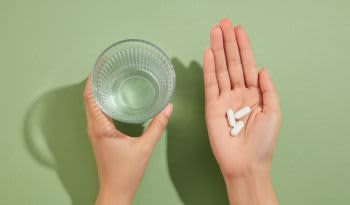
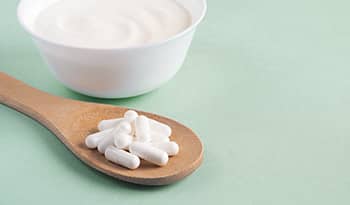
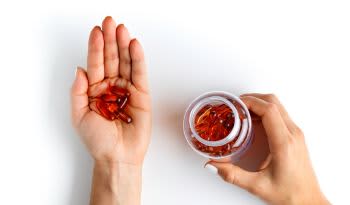
რა არის რკინის დანამატები ზუსტად? მარტივად რომ ვთქვათ, ისინი ან კაფსულები, ტაბლეტები ან თხევადი დანამატებია, რომლებიც უზრუნველყოფენ რკინის რამდენიმე
რკინის ძირითადი ტიპები, რომლებსაც ნახავთ დანამატის სახით, არის: რკინის ციტრატი (რკინა, რომელიც დაკავშირებულია ფოსფატებთან), რკინის სულფატი (რკინა და სულფატი) და რკინის გლუკონატი (რკინა, რომელიც დამზადებულია გლუკონის მჟავის მარილებისგან).
თავად რკინა არის აუცილებელი მინერალი, რომელსაც აქვს შემდეგი ფუნქციები:
- ხელს უწყობს ჯანსაღი სისხლის წითელი უჯრედების წარმოებას, რომლებიც ატარებენ ჟანგბადს მთელ სხეულში
- მხარს უჭერს ჯანსაღი ორსულობას, პლუს ნაყოფის ზრდასა და განვითარებას
- ხელს უწყობს იმუნური სისტემის ნორმალურ მუშაობას
- მხარს უჭერს კოგნიტურ ფუნქციებს და ასევე ძილის
როდესაც იღებთ რკინის დანამატს, შეგიძლიათ განიცადოთ:
- კარდიოვასკულური და სისხლის ჯანმრთელობის მხარდაჭერა
- ჯანსაღი ენერგიის დონის მხარდაჭერა, რადგან რკინის დაბალებამ შეიძლება ხელი შეუწყოს დაღლილობას {2
- ჯანმრთელი ნაყოფიერების, ასევე პრენატალური და მშობიარობის შემდგომი ჯანმრთელობის
- შემეცნებითი ჯანმრთელობის დახმარება
- ჯანსაღი ძილის მხარდაჭერა
ვინ არის რისკის ქვეშ იმის გამო, რომ არ მიიღებს საკმარისი რკინის?
იმის გამო, რომ რკინა თამაშობს როლს სისხლის ჯანსაღი დონის შენარჩუნებაში, ქალები უფრო მეტად მიდრეკილნი არიან რკინის დაბალობისკენ ყოველ ბავშვებს ასევე სჭირდებათ ბევრი რკინა ზრდისა და განვითარებისთვის, ამიტომ მათ შეუძლიათ ადვილად შეარჩერონ, თუ მათი დიეტა არ არის ადეკვატური და
ადამიანები, რომლებიც ყველაზე მეტად არიან მიდრეკილნი რკინის დეფ
- ვინც ვეგანურ ან ვეგეტარიანულ დიეტას იცავს, რადგან ეს დიეტები გამორიცხავს ჰემის (შთანთქმელი) რკინის უმდიდრეს წყაროებს
- ორსული ქალები, რომლებსაც აქვთ რკინის უფრო მაღალი საჭიროება
- მძიმე მენსტრუალური პერიოდის მქონე ქალები, რომლებიც ყოველთვიურად კარგავენ სისხლს
- ჩვილები და ბავშვები, რომლებსაც შეიძლება არ დასჭირდეთ საკმარისად მრავალფეროვანი საკვები, რომელიც უზრუნველყოფს რკინას {2
- მათ, ვისაც უჭირს რკინის შეწოვა, როგორიცაა თირკმლის დაავადების ან საჭმლის მომნელებელი დაავადებების მქონე ადამი
რამდენი რკინა გვჭირდება და როგორ შეგვიძლია დავაკმაყოფილოთ ჩვენი მოთხოვნები?
იდეალურ შემთხვევაში, ჩვენ ყველანი მივიღებთ რკინას, რომელიც გვჭირდება დაბალანსებული დიეტადან, რომელიც მოიცავს სხვადასხვა მკვებელ საკვებს და შესაძლოა საჭიროების შემთხვევაში დანამატებით (უფრო მეტი ქვემოთ). აქ მოცემულია რკინის ყოველდღიური მოთხოვნები ასაკის მიხედვით:
- 19 წელზე უფროსი ასაკის ქალები: მინიმუმ 18 მილიგრამი დღეში
- ორსული ქალები: მინიმუმ 27 მილიგრამი/დღეში
- 50 წელზე უფროსი ასაკის ქალები: მინიმუმ 8 მილიგრამი დღეში
- 50 წელზე უფროსი ასაკის მამაკაცები: მინიმუმ 8 მილიგრამი დღეში
- 0-12 თვის ბავშვები: 0.3-დან 11 მილიგრამიმდე დღეში
- 1-დან 8 წლამდე ასაკის ბავშვები: 7-დან 10 მილიგრამამდე დღეში
- 9-დან 18 წლამდე ასაკის მოზარდები: 11 მგ მამაკაცებისთვი/15 მგ ქალებისთვის
საუკეთესო რკინით მდიდარი საკვები და დანამატები
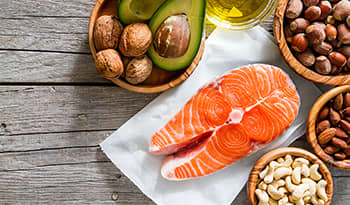
რკინის ყველაზე ადვილად შეიწოვებელ ტიპს ჰემ რკინა ეწოდება, რომელიც გვხვდება ცხოველური წარმოების საკვებში, როგორიცაა ხორცი, თევზი, ფრინველი, კვერცხი და ორგანოების ხორცი, როგორიცაა ღვიძლი.
სხვა კარგი წყაროებია წყალმცენარეები, ზღვის მცენარეები, თხილი, თესლი და პარკოსნები. თქვენ ასევე ნახავთ რკინას ზოგიერთ ბოსტნეულსა და ხილში, თუმცა ეს ტიპი ჩვეულებრივ ასე ადვილად
გაითვალისწინეთ, რომ უმჯობესია მიირთვათ რკინით მდიდარი საკვები ან მიიღოთ რკინის დანამატები C ვიტამინის წყაროთი, რაც ხელს უწყობს რკინის შეწოვას.
აქ მოცემულია რკინის საუკეთესო დიეტური წყაროები, რომლებიც რეგულარულად უნდა ჭამოთ თქვენი საჭიროებების დასაკმაყოფილებლად:
- ღვიძლი
- ბალახით კვებადი საქონლის ხორცი
- სპირულინა
- თევზი, როგორიცაა სარდინი
- ოსპი და ლობიო, როგორიცაა შავი ლობიო და წიწაკა
- მუქი შოკოლადი
- ფოთლოვანი მწვანილი, როგორიცაა ისპანახი და კომბოსტო
- თხილი, როგორიცაა ფისტა
- კვერცხი
- ხმელი ხილი ქიშმიშის მსგავსად
ასე რომ, უნდა მივიღო რკინის დანამატი?
რკინის შემცველი მულტივიტამინი შეიძლება საკმარისი იყოს ზოგიერთი ადამიანისთვის, რომელიც რეგულარულად ჭამს რკინით მდიდარ მაგალითად, 50 წელზე უფროსი ასაკის მენოპაუზის შემდგომი ქალები და ზრდასრული მამაკაცები შეიძლება არ დასჭირდებათ მეტი რკინა, ვიდრე ისინი მოიხმარებდნენ
მათთვის, ვისაც შეუძლია ისარგებლოს მეტი რკინით, ალბათ დაბალი დონის ან რკინის დეფიციტისკენ მიდრეკილი ჯგუფში ყოფნის გამო, ზოგადი რეკომენდაციაა დღეში დაახლოებით 8-დან 18 მილიგრამის მიღება, რომელიც საჭიროების შემთხვევაში შეიძლება დაიყოს ორ მცირე დოზად დღის განმავლობაში.
თუ დეფიციტის დიაგნოზი გაქვთ, ესაუბრეთ თქვენს ჯანდაცვის პროვაიდერს იმის შესახებ, შეიძლება თუ არა უფრო მაღალი დოზა სასარგებლო იყოს ზოგიერთ შემთხვევაში, ბევრად უფრო მაღალი დოზები იძლევა ნორმალურ დიაპაზონში დონის ასამაღლებლად, მაგრამ რკინის დანამატებმა ზოგჯერ შეიძლება გამოიწვიოს გვერდითი მოვლენები (როგორიცაა ყაბზობა), ამიტომ უმჯობესია ამის გაკეთება მხოლოდ
ცნობები:
- აბასპური, ნ., და სხვ. (2014). „მიმოხილვა რკინის შესახებ და მისი მნიშვნელობა ადამიანის ჯანმრთელობისთვის“. კვლევის ჟურნალი სამედიცინო მეცნიერებ
- პასრიჩა, ს რ., და სხვ. (2021). „რკინის დეფიციტი“. ლანცეტი.
- ჰურელი, რ., და ეგლი, ი. (2010). „რკინის ბიოხელმისაწვდომობა და დიეტური საცნობარო მნიშვნელ კლინიკური კვების ამერიკული ჟურნალი.
- გეორგიეფი, მ. კ. და სხვ. (2019). „ორსულობის დროს რკინის დეფიციტი“. მეანობისა და გინეკოლოგიის ამერიკული ჟურნალი
- სოიანო, ა. და გომეზი, მ. (1999). „რკინის როლი იმუნიტეტში და მისი კავშირი ინფექციებთან“. ნუტრიციონის ლათინოამერიკული არქივები.
- ჩენი, გ. კ. და სხვ. (2013). „ასოციაცია მოზრდილებში რკინის სტატუსსა და ძილის დარღვევებს შორის. ნუტრიენტები.
- პერსი, ლ., და სხვ. (2017). „რკინის დეფიციტი და რკინის დეფიციტის ანემია ქალებში.“ საუკეთესო პრაქტიკა და კვლევა კლინიკური მეანობა და გინეკოლოგ
- ჰაიდერი, ლ. მ., და სხვ. (2018). „ვეგეტარიანული დიეტის გავლენა მოზრდილებში რკინის სტატუსზე: სისტემატური მიმოხილვა და მეტაანალიზი.“ კრიტიკული მიმოხილვები კვების მეცნიერებასა
- ტეუჩერი, ბ., და სხვ. (2004). “ რკინის შეწოვის გამაძლიერებლები: ასკორბინის მჟავა და სხვა ორგანული მჟავები. ვიტამინებისა და კვების კვლევის საერთაშორისო ჟ
- ტოლკინი, ზ., და სხვ. (2015). „რკინის სულფატის დამატება იწვევს მნიშვნელოვან კუჭ-ნაწლავის გვერდითი მოვლენებს მოზრდილებში: სისტემური მიმოხილვა და მეტა PLoS ერთი.
შენიშვნა:
ეს განცხადებები არ არის დამტკიცებული აშშ-ის სურსათისა და წამლების ადმინისტრაციის (FDA) მიერ. ეს პროდუქტები არ არის განკუთვნილი დაავადების დიაგნოსტიკისთვის, მკურნალობისთვის, განკურნებისთვის ან პრევენციისთვის.
შეიძინეთ სტატიაში მოცემული პროდუქტები



























































 შინაარსის ცხრილი