ძირითადი მიზნები
- ვარჯიში ჩვეულებრივ რეკომენდებულია მუხლის ოსტეოართრიტისთვის: მოძრაობა ხელს უწყობს მობილობის, მოქნილობის და სახსრ
- ხშირად ხაზს უსვამს დაბალი ზემოქმედების ვარჯიშებს: სიარული, გაჭიმვა და გამაძლიერებელი მოძრაობები ჩვეულებრივ შედის მუხლებისთვის
- მიმდებარე კუნთების გაძლიერება ხელს უწყობს მუხლის სახსრის მხარდაჭერას: ოსტეოართრიტის გეგმებში ხშირად განიხილება ფეხებ
- თანმიმდევრულობა და სათანადო ფორმა მნიშვნელოვანია: თანდათანობითი პროგრესირება და კონტროლირებადი მოძრაობა ჩვეულებრივ
- აქტივობის რეგულირება შეიძლება დასჭირდეს კომფორტის დონის მიხედვით: ცვლილებები, დასვენება და პროფესიული ხელმძღვანელობა შეიძლება ითამაშოს როლი მუხლის დისკომფორტის
თუ მუხლის ოსტეოართრიტი გაქვთ, შეიძლება ვივარაუდოთ, რომ ვარჯიში გაუარესებს სახსრებს. სინამდვილეში, აქტიურობა ერთ-ერთი ყველაზე ეფექტური გზაა ტკივილის მართვისა და თქვენთვის საყვარელი ნივთების გასაგრძელებლად. კვლევების დიდი ნაწილი აჩვენებს, რომ რეგულარული ვარჯიში ამცირებს მუხლის ოსტეოართრიტის ტკივილს და აუმჯობესებს ფუნქციას ჩვეულებრივი ტკივილის წამლებ
„მთავარია ტკბილი ადგილის პოვნა მუხლის გარშემო კუნთებში ჰიპერტროფიის შესაქმნელად და უკვე გაღიზიანებული სახსრის გადატვირთვას შორის“, - ამბობს ჩარლი პეიჯი, მთავარი ფიზიოთერაპევტი და სამხრეთ სანაპიროს სახლის ფიზიოთერაპევტის დირექტორი, ჰემფშირში, გაერთიანებული
ვარჯიში მუშაობს მრავალ დონეზე მუხლის ოსტეოართრიტის მქონე ის აძლიერებს კუნთებს, რომლებიც მხარს უჭერენ სახსრს, ინარჩუნებს მოძრაობის დიაპაზონს და დროთა განმავლობაში შეუძლია ანთების შემცირება ფიზიოთერაპევტი, დოქტორი მილიკა მაკდაუელი, აშშ-ს ფიზიკური თერაპიის განათლების ავტორი, განმარტავს: „მოძრაობა არის ლოსიონი და ჩვენ ყურადღება უნდა გავამახვილოთ ამ სახსრის მოძრაობაზე და მის გარშემო მდებარე კუნთების ძლიერებაზე ყოველდღე.
ოსტეოართრიტის მუხლის ვარჯიშების საუკეთესო ტიპები
არ არსებობს ერთი სრულყოფილი ვარჯიში მუხლის ოსტეოართრიტისთვის. ყველაზე ეფექტური პროგრამები აერთიანებს რამდენიმე სხვადასხვა სახის მოძრაობას, ხოლო საუკეთესო რუტინა არის ის, რომელიც შეესაბამება თქვენს ცხოვრებას და საკმარისად მართვადი გრძნობს თავს, რომ შეე
დაბალი ზემოქმედების აერობული ვარჯიში, როგორიცაა სიარული, ველოსიპედით და ცურვა, ტკივილის შემცირებისა და საერთო ფუნქციის გაუმჯობესების პეიჯი გირჩევთ ცურვას და ველოსიპედს იმ ადამიანებისთვის, რომლებსაც თავდაპირველად წონის “ კომპრესიული ძალების ნაკლებობა ნიშნავს, რომ უკვე მცირე სახსრული სივრცე შემდგომ არ არის შეკუმშული“, განმარტავს
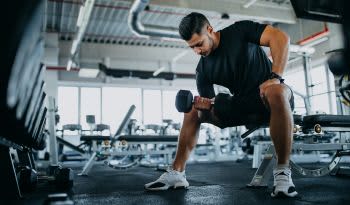
გამაძლიერებელი ვარჯიშები ისეთივე მნიშვნელოვანია. ფეხების (კვადრიცეპსი, ჰამსტრინგი) და ბარძაყის კუნთების აშენება ქმნის უფრო სტაბილურ სახსრს. კვლევებმა აჩვენა, რომ კვადრიცესის გამაძლიერებელი ვარჯიშების ჩატარება 8-დან 12 კვირამდე მნიშვნელოვნად ამცირებს ტკივილს და აუმჯობესებს ფუნქციას, ხოლო ბარძაყის
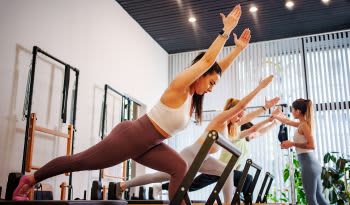
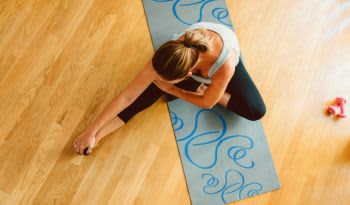
გონებისა და სხეულის ვარჯიშები, როგორიცაა ტაი ჩი, იოგა და პილატესი, შეიძლება იყოს ისეთივე ეფექტური, როგორც აერობული ვარჯიში ტკივილისა და ფუნქციონირებისთვის და შეიძლება შესთავაზოს დამატებითი სარგებელი ცხოვრების ხარისხისთვის, რაც კარგი ამბავია, თუ ბევრ კარდიოს ვერ და თუ თქვენი ტკივილი ძლიერია ან დამატებით წონას ატარებთ, წყლის ვარჯიში უზრუნველყოფს შემსუბუქებას და ფიტნესს თქვენს სახსრებზე მძიმე
ძირითადი გაძლიერების ვარჯიში ხშირად უგულებელყოფილია, მაგრამ გასათვალისწინებელია, ამბობს დოქტორი მაკ “ ძირითად ძალაზე მუშაობა ხშირად გასაკვირი ვარჯიშია მუხლის ოსტეოართრიტის მქონე პირ რაც უფრო ძლიერია თქვენი ბირთვი, მით ნაკლები სტრესი იქნება თქვენს მუხლზე.“
ოსტეოართრიტის მუხლის ვარჯიშები, რომლებიც უნდა სცადოთ
პეიჯი და დოქტორი მაკდაუელი გირჩევენ მარტივ, ფუნქციურ მოძრაობებს, რომლებიც აძლიერებენ მუხლის გარშემო მდებარე კუნთ
დასაჯდომი
ეს ფუნქციური მოძრაობა აშენებს კვადრიკეპისა და გლუტის ძალას და პირდაპირ თარგმნება ყოველდღიურ პეიჯი მას უწოდებს ერთ-ერთ თავის სავარჯიშო ყველა ასაკობრივ ჯგუფში
- დაჯექით ძლიერ სკამზე, როგორც სასადილო სკამი, ფეხები იატაკზე ბრტყელია, თეძოს სიგანეზე დაშორებით.
- ოდნავ წინ დაიხრე, ცხვირი თითებზე მოიყვანე.
- გაიარეთ ქუსლები, რომ სრულად აღდგე.
- კონტროლით დაიბრუნეთ თავი. გაიმეორეთ 8-დან 12-ჯერ.
- ამის გასაადვილებლად დაამატეთ ბალიში სავარძლის სიმაღლის ასამაღლებლად. ამის გასაართულებლად, შეანელეთ შემცირების ფაზა.
მჯდომარე მუხლის გა
ეს დაბალი კომპრესიის სკამზე დაფუძნებული ვარჯიში იზოლირებს კვადრიცეპსებს, რომლებიც აუცილებელია მუხლის სტაბ კლინიკური კვლევები ადასტურებს, რომ კვადრისცეპსისა და ჰელსტრიგის გაძლიერების კომბინაცია ამცირებს
- დაჯექით სკამზე, ზურგის მხარდაჭერით.
- ნელა გაასწორეთ ერთი მუხლი შენს წინ.
- გააჩერეთ რამდენიმე წამის განმავლობაში ზემოდან, შემდეგ ნელა დაიშვით ქვემოთ.
- გაიმეორეთ 10-დან 15-ჯერ თითოეულ ფეხზე. პროგრესირებისთვის დაამატეთ ტერფის წონა ან წინააღმდეგობის
ხიდი
დოქტორი მაკდაუელი რეკომენდაციას უწევს ხიდს, რადგან ის ჩართულობს ხბოებს, გლუტებს და გლუტებს, ყველა კუნთს, რომელიც ხელს უწყობს მუხლის
- დაწექით იატაკზე მუხლები მოხრილი და ფეხები ბრტყედ.
- აწიეთ ბარძაყები, სანამ სხეული არ შექმნის სწორ ხაზს მხრებიდან მუხლებამდე.
- გააჩერეთ 2-დან 3 წამის განმავლობაში, შემდეგ ნელა დაეშვით.
- გაიმეორეთ 10-დან 15-ჯერ.
მუხლის მწუხლის ფექსია
გვერდი გირჩევთ მოძრაობის დიაპაზონის ამ ვარჯიშს ყველასთვის, ვინც იღვიძებს მუხლით მყარი. ის პრიორიტეტს ანიჭებს სახსრების მობილობას და განსაკუთრებით სასარგებლოა დილით.
- დაიწექი ზურგზე ბრტყელად, ფეხი სწორად.
- ნელა დაიხურეთ მუხლზე, ქუსლი წაისვით ქვედა კვეთისკენ.
- გააჩერეთ, შემდეგ ნელა გაასწორეთ უკან.
- გაიმეორეთ 10-დან 15-ჯერ თითოეულ ფეხზე ნელი, კონტროლირებადი მოძრაობებით.
რამდენად ხშირად უნდა ვარჯიშოთ?
კვლევები თანმიმდევრულად აჩვენებს, რომ თქვენი სხეულის ზომიერი ძალისხმევით გადაადგილება კვირაში 3-დან 5-ჯერ ერთდროულად 20-დან 60 წუთის განმავლობაში ნამდვილად ცვლილებას ახდენს. ყველაზე მეტ გაუმჯობესებას იგრძნობთ დაახლოებით 6-დან 8 კვირამდე. გახსოვდეთ, რომ გრძელვადიან პერიოდში მისი დაცვა უფრო მნიშვნელოვანია, ვიდრე მოკლე დროით ყოვლისმომცველი გავლა და სარგებელი ქრება, თუ შეჩერდებით.
გვერდი ზოგადად გირჩევთ მცირე და ხშირად და არა ხანგრძლივ, იშვიათ სესიებს. „ხანდაზმული მოზრდილების უმეტესობისთვის ეს კვირაში დაახლოებით ხუთჯერ 10-დან 20 წუთის მიზნობრივ ვარჯიშს ჰგავს, მინიმუმ ერთი ან ორი დასვენების დღით“, - ამბობს ის.
დოქტორი მაკდაუელი გირჩევთ ვარჯიშს კვირაში მინიმუმ ორი დღე, იმის გაგებით, რომ აფეთქებები ხშირია. “ თუ მუხლის გარშემო მუხლი ან კუნთები ტკივება, სავარჯიშოების გამეორებამდე დამატებითი დღე გამოჯანმრთელეთ“, - ურჩევს ის.
როგორც დაბალი, ისე მაღალი ინტენსივობის წინააღმდეგობის ვარჯიში აუმჯობესებს ძალას, ტკივილს და ფუნქციას, ამიტომ დატვირთვა უნდა ემთხვევა თქვენს
როდის უნდა შეწყვიტოთ ან ნახოთ პროფესიონალი
ვარჯიშის დროს გარკვეული დისკომფორტი ნორმალურია, მით უმეტეს, რომ ოსტეოართრიტული მუხლები, როგორც წესი, ხისტი და ტკივილია, როდესაც “ ვარჯიშმა უნდა გამოგიჩნდეთ, მაგრამ ამან არ უნდა გაგაგნიზოთ“, - ამბობს პეიჯი.
თუმცა, არსებობს რამდენიმე გამაფრთხილებელი ნიშანი, რომელსაც ყურადღება უნდა იყოს. თუ თქვენი მუხლი მკვეთრად შეშუპებულია, შეხებისას ცხელია და ჩვეულებრივზე მნიშვნელოვნად უფრო მტკივნეულია, ეს არის აფეთქების ნიშანი და დასვენებისთვის კარგი დრო. მოძრაობის დროს ნებისმიერი მოულოდნელი, მკვეთრი ტკივილი უნდა იყოს სიგნალი ამ ვარჯიშის ჩაკეტვა, სადაც სახსარი ერთ პოზიციაში ჩაჩერდება, ან დაუშვებს გზას, სადაც მუხლის ბალთები მოულოდნელად ეკისრება, შეიძლება მიუთითებდეს მექანიკურ საკითხზე
დოქტორი მაკდაუელი დასძენს, რომ ხმამაღალი გაბზარება ან ხმაური (ეწოდება კრეპიტუსი) ან ტკივილი, რომელიც გრძელდება სამიდან ოთხ დღეზე მეტი ხანგრძლივობა, იძლევა პროფესიონ თუ ტკივილი მნიშვნელოვნად უარესდება ვარჯიშის შემდეგ დღეს და 24 საათის განმავლობაში არ მოგვარდება, პეიჯი ამბობს, რომ ეს ჩვეულებრივ ერთ-ორი დღის განმავლობაში შემცირების ნიშანია.
დაწყება
საუკეთესო სავარჯიშო პროგრამა არის ის, რომელსაც რეალურად გააკეთებთ. დაიწყეთ იქ, სადაც ხართ, მაშინაც კი, თუ ეს ნიშნავს მხოლოდ 10 წუთის ნაზი მოძრაობას და ააშენეთ იქიდან. დაბალი ზემოქმედების აერობული აქტივობის, ბარძაყებისა და თეძოების გაძლიერების და მოძრაობის ნაზი დიაპაზონის მოძრაობების კომბინაცია მოიცავს იმ ბაზებს, თუ არ ხართ დარწმუნებული სად დაიწყოთ, ფიზიოთერაპევტი ან ფიზიოთერაპევტი დაგეხმარებათ რუტინის მორგებაში თქვენი ტკივილის დონე “ თანმიმდევრულობა გაცილებით მეტია, ვიდრე ინტენსივობა და ეს საუკეთესო გზაა გრძელვადიანი ჩვევის შესაქმნელად“, - ამბობს პეიჯი.
ცნობები:
- ფრანსენი, მ., მაკკონელი, ს., ჰარმერი, არ., ვან დერ ეში, მ., სიმიკი, მ., და ბენელი, კ ლ (2015). ვარჯიში მუხლის ოსტეოართრიტისთვის: კოკრანის სისტემატური მიმოხილვა. სპორტული მედიცინის ბრიტანული ჟურნალი, 49 (24), 1554—1557. https://bjsm.bmj.com/content/49/24/1554
- გოჰი, ს.-ლ., პერსონი, M.S.M., სტოქსი, ჯ., ჰოუ, ი., ლინ, ჯ., ჰოლი, M.C., დოჰერტი, მ., და ჟანგი, ვ. (2019). სავარჯიშო თერაპიის ეფექტურობა და პოტენციური განმსაზღვრელები მუხლისა და ბარძაყის ოსტეოართრიტის დროს ფიზიკური და სარეაბილიტაციო მედიცინის ანალები, 62 (5), 356—365. https://pubmed.ncbi.nlm.nih.gov/31121333/
- ჰისლოპი, ა. ს., კოლინზი, ნ. ჯ., ტაკერი, კ., დესი, მ. და სემსიუ, აი. ი. (2020). იწვევს თუ არა ბარძაყის ვარჯიშების დამატება კვადრიცეპსის ვარჯიშებში მუხლის ოსტეოართრიტის მქონე ადამიანებისთვის ტკივილის, ფუნქციისა სისტემატური მიმოხილვა და მეტაანალიზი. სპორტული მედიცინის ბრიტანული ჟურნალი, 54 (5), 263—271. https://pubmed.ncbi.nlm.nih.gov/30728126/
- ლოფორდი, ბ. ჯ., ჰინმანი, რს. ს., კასა, ჯ., ბენელი, კ ლ., მეტკალფი, ბ. და ჰანტერი, დიჯ (2024). ვარჯიში მუხლის ოსტეოართრიტისთვის. კოკრანის სისტემური მიმოხილვების მონაცემთა ბაზა, 2024 (12), სტატია CD004376. https://www.cochranelibrary.com/cdsr/doi/10.1002/14651858.CD004376.pub4/references
- რაპოსო, ფ., რამოსი, მ., და ლუსია კრუზი, ა. (2021). ვარჯიშის ეფექტი მუხლის ოსტეოართრიტზე: სისტემური მიმოხილ კუნთოვანი მოვლა, 19 (4), 399—435. https://pubmed.ncbi.nlm.nih.gov/33666347/
- სადეღი, ა., როსტამი, მ., და ღასემი, მ. (2023). კუნთების გაძლიერების ვარჯიშების ეფექტურობა მუხლის ოსტეოართრიტის მქონე პაციენტების კლინიკურ შედეგებზე: რანდომიზებული კასპიის შინაგანი მედიცინის ჟურნალი, 14 (3), 433-442. https://pubmed.ncbi.nlm.nih.gov/37520861/
- უტმანი, ო. ა., ვან დერ ვინდტი, დ. ა., ჯორდანი, ჯ ლ., დედზიჩი, კს. ს., ჰეილი, ელ. ლ., პიტი, გმ და ფოსტერი, ნ ე. ე. (2014). ვარჯიში ქვედა კიდურების ოსტეოართრიტისთვის: სისტემური მიმოხილვა, რომელიც მოიცავს საცდელი თანმიმდევრული BMJ, 347, სტატია f5555. https://pubmed.ncbi.nlm.nih.gov/25313133/
- ვანგი, ბ., ჟანგი, X., და ერდმანი, ს. (2026). არაკოდირებადი რნმ-ების მექანიკური შეხედულებები არეგულირებს აუტოფაგიას ქონდროციტებში და მათ წვლილს ოსტეო კუნთოვანი მოვლა, 24 (1), სტატია e70134. https://pmc.ncbi.nlm.nih.gov/articles/PMC12907332/
- იან, ლ., ლი, დ., ქსინგი, დ., ფანი, ზ., დუ, გ., ჯიუ, ჯ. და ვანგი, ბ. (2025). მუხლის ოსტეოართრიტის დროს სავარჯიშო მოდალობების შედარებითი ეფექტურობა და უსაფრთხოება: სისტემატური BMJ, 391, სტატია e085242. https://www.bmj.com/content/391/bmj-2025-085242
- ზენგი, ს., ვეი, ჯ., ლი, ჰ., ვანგი, ი.-ლ., ქსი, დ.-X., იანგი, ტ., გაო, ს.-გ., ლი, ი.-ს., ლუო, ვ., და ლეი, გ.-ჰ. (2021). სხვადასხვა ვარჯიშების ფარდობითი ეფექტურობა მუხლისა და ბარძაყის ოსტეოართრიტის დროს ტკივილის, ფუნქციის, შესრულებისა და ცხოვრების ხარისხის მიმართ: სისტ სპორტული მედიცინა, 49 (5), 743-761. https://pubmed.ncbi.nlm.nih.gov/30830561/
- Øიესტადი, ბი. ე., ჯული, სი. ბ., ეიტზენი, ი., და თორლუნდი, ჯი ბ (2022). მუხლის ექსტენსორის კუნთების სისუსტე მუხლის ოსტეოართრიტის განვითარების რისკ-ფაქტორია: სისტემატური მიმოხილვა საზღვრები ფიზიოლოგიაში, 12, სტატია 794062. https://pubmed.ncbi.nlm.nih.gov/25450853/
შენიშვნა:
ეს განცხადებები არ არის დამტკიცებული აშშ-ის სურსათისა და წამლების ადმინისტრაციის (FDA) მიერ. ეს პროდუქტები არ არის განკუთვნილი დაავადების დიაგნოსტიკისთვის, მკურნალობისთვის, განკურნებისთვის ან პრევენციისთვის.


























































 შინაარსის ცხრილი