ვარჯიშის შემდგომი აღდგენის საბოლოო პროტოკოლი: 5-ნაბიჯიანი
11,219 ვისები
ვისენტე ბარნეტი
iHerb მკაცრად იცავს წყაროს შერჩევის სტანდარტებს და ეყრდნობა რეცენზირებულ სამეცნიერო კვლევებს, აკადემიურ კვლევით ინსტიტუტებს, სამედიცინო ჟურნალებსა და სანდო მედია წყაროებს.ეს ნიშანი მიუთითებს, რომ კვლევების, რესურსებისა და სტატისტიკის სია ხელმისაწვდომია გვერდის ქვედა ნაწილში ცნობარების განყოფილებაში.
ადამიანების უმეტესობა ყურადღებას ამახვილებს მხოლოდ იმაზე, თუ რამდენად მუშაობენ საუკეთესო სპორტსმენები ასევე ყურადღებას ამახვილებენ იმაზე, თუ
თუ თქვენ ზრუნავთ შესრულებაზე და ხანგრძლივობაზე, რასაც აკეთებთ ვარჯიშის შემდეგ, ისეთივე მნიშვნელოვანია, როგორც თავად ვარჯიში. პროგრესი არ შენდება მხოლოდ სასწავლო სესიების დროს. ის აგებულია მომდევნო საათებში, როდესაც თქვენი სხეული აღადგენს ქსოვილს, აღადგენს ენერგიას და ეგუება თქვენს მიერ გამოყენებულ სტრესს.
როგორც ტრენერი, შესრულების მწვრთნელი და სპორტსმენი, ეს თამაში არაერთხელ მინახავს. სპორტსმენებს, რომლებიც უპირატესობას ანიჭებენ ვარჯიშის შემდგომი აღდგენას , შეუძლიათ უფრო ხშირად ვარჯიშონ, დარჩნენ ჯანმრთელები ისინი, ვინც მას უგულებელყოფენ, ახდენს დაღლილობას, აჩერებენ პროგრესს და ფლირტებს ტრავმებით
ვარჯიშის შემდგომ აღდგენის საუკეთესო მიდგომა არ არის რთული ან მოდური. ის სტრუქტურირებული, განზრახ და განმეორებადია. ეს ხუთსაფეხურიანი სახელმძღვანელო ყურადღებას ამახვილებს საწვავის შევსებაზე, რეჰიდრატაციაზე, ძილზე, აქტიურ აღდგენ გააგრძელეთ კითხვა, რათა გაიგოთ, თუ როგორ უნდა მკვეთრად გააუმჯობესოთ ვარჯიშის
ძირითადი მიზნები
აღდგენა აუცილებელია პროგრესისთვის: ტრენინგი ქმნის სტრესს, მაგრამ პროგრესი და ხანგრძლივობა შენდება ვარჯიშის შემდეგ რამდენიმე საათებში განზრახ აღდგენის გზით.
საწვავის შევსება: ცილებით და ნახშირწყლებით საწვავის სწორი შევსება არის ვარჯიშის შემდგომი აღდგენის საფუძველი და პირდაპირ გავლენას ახდენს
ჰიდრატირება, დაიძინეთ, დასვენება: ჰიდრატაცია, ძილი და ნერვული სისტემის შემცირება არის უშეთანხმებელი აღდგენის საყრდენები, რომელთა შეცვლა არც ერთი
ჩართეთ აქტიური აღდგენა: სტრატეგიული დასვენება და აქტიური აღდგენა საშუალებას აძლევს სპორტსმენებს უფრო მეტად ვარჯიშონ, დარჩნენ ჯანმრთელები და
დანამატების მხარდაჭერა: მოწინავე აღდგენის ინსტრუმენტები და დანამატები ყველაზე ეფექტურია, როდესაც ისინი აძლიერებენ თანმიმდევრულ აღდგენ
ნაბიჯი 1: საწვავის შევსება
საწვავის შესება ვარჯიშის შემდგომი ეფექტური აღდგენის საფუძველია ვარჯიში ანადგურებს კუნთოვან ქსოვილს, ამოწურავს ენერგიის მარაგებს და ხაზს უსვამს კვება არის პირველი ნაბიჯი სარეზერვო აღდგენისთვის.
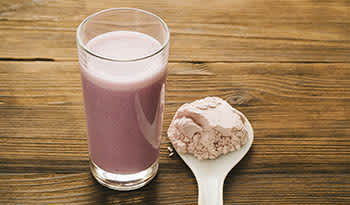
ალბათ გსმენიათ, რომ ცილა აუცილებელია კუნთების აღდგენისა და ადაპტაციისთვის. ვარჯიშის შემდეგ კუნთოვანი ქსოვილი განსაკუთრებით მგრძნობიარეა ამინომჟავების მიმართ, ცილის სამშენებლო ვარჯიშიდან ერთიდან ორ საათში 25-დან 40 გრამამდე მაღალი ხარისხის ცილის მოხმარება ხელს უწყობს კუნთების ცილის სინთეზს და ამცირებს დაშლას.1 მაგალითებია შრატის ცილა, კვერცხი, ბერძნული იოგურტი, მჭლე ხორცი ან
ნახშირწყლები აღადგენენ გლიკოგენს, ვარჯიშის დროს გამოყენებულ ენერგიის შენახულ ფორმას დაბალი გლიკოგენი ანელებს აღდგენას, ზრდის ტკივილს და კომპრომისირებს შემდგომ ვარჯიშ ვარჯიშის შემდგომი ნახშირწყლების ჩათვლა ხელს უწყობს მუშაობას, ჰორმონალურ მაგალითებია ხილი, ბრინჯი, კარტოფილი, შვრია ან მჟავის პური.
ერთ-ერთი ყველაზე გავრცელებული შეცდომა ვარჯიშის შემდგომი აღდგენისას არის ნაკლებად დაწვავება, განსაკუთრებით მაღალი მოცულობის მქონე გამძლეობის სპორტსმენებში ან სხეულის შემადგენლობაზე ორიენტირებულ სპორტსმენებში, რომლებსაც შეიძლება ნაკლები საწვავის შევსების თანმიმდევრულად ვერ შეტოვება ერთ-ერთი ყველაზე სწრაფი გზაა დაბლ
სწორი ვარჯიშის შემდგომი კვება უფრო მეტს აკეთებს, ვიდრე კუნთების აღდგენას. ის ხელს უწყობს იმუნურ ფუნქციას, სახსრების ჯანმრთელობას და საწვავის სწორად შევსება ქმნის იმპულსს თქვენი აღდგენის დანარჩენ პროცეს
ნაბიჯი 2: რეჰიდრატირება
ჰიდრატაცია ხშირად განიხილება, მაგრამ იშვიათად ხდება კარგად. რამდენად ხშირად გესმით: „დღეს საკმარისი წყალი დალიეთ?“
ზომიერი დეჰიდრატაციაც კი უარყოფითად მოქმედებს ძალაზე, გამძლეობაზე, კოორდინაციაზე აღდგენის თვალსაზრისით, არასაკმარისი ჰიდრატაცია ანელებს საკვები ნივთიერებების მიწოდებას, აფერხებს კუნთების შეკეთებას და ზრდის
რატომ არის ჰიდრატაცია გადამწყვეტილი ვარჯიშის
წყალი თამაშობს როლს თითქმის ყველა ფიზიოლოგიურ პროცესში, რომელიც მონაწილეობს აღდგენაში, საკვები ნივთიერებების მიწოდებიდან ტ
პრაქტიკული სახელმძღვანელოა სითხეების დალევა, სანამ შარდი არ დაუბრუნდება ღია ყვითელ ფერს ვარჯიშიდან რამდენიმე საათში. ეს ხშირად მოითხოვს უფრო მეტ სითხეს, ვიდრე სპორტსმენები ელიან, განსაკუთრებით ხანგრ თქვენ ასევე შეგიძლიათ ჩაატაროთ ოფლის ტესტი თქვენი ელექტროლიტების საჭიროებების გასაგებად და თქვენი ჰიდრატაციის პერ
წყალი და ელექტროლიტები ერთად მუშაობენ
მხოლოდ წყალი ყოველთვის არ არის საკმარისი. ელექტროლიტები, როგორიცაა ნატრიუმი, კალიუმი და მაგნიუმი ხელს უწყობენ სითხის ბალანსის ვარჯიშის შემდგომი ელექტროლიტების ჩართვა აუმჯობესებს სითხის შეკავებას და აჩქარებს აღდგენას, განსაკუთრებით მძიმე სვიტერების ან გამძლეობის
ეს არის ვარჯიშის შემდგომი აღდგენის ერთ-ერთი მარტივი და ეფექტური რჩევა, მაგრამ ის ხშირად უგულებელყოფილია.
ნაბიჯი 3: ხარისხის ძილის პრიორიტეტი
ძილი არის ერთ-ერთი ყველაზე ძლიერი აღდგენის ხელმისაწვდომი ინსტრუმენტი.
ღრმა ძილის დროს გამოიყოფა ზრდის ჰორმონი, ქსოვილის აღდგენა აჩქარდება და ნერვული სისტემა რეკალიბრატირდება. არცერთ დანამატს ან აღდგენის მოწყობილობას არ შეუძლია ამ ეფექტ
რამდენი ძილი გჭირდებათ ნამდვილად?
შესრულებაზე ორიენტირებული ადამიანების უმეტესობას ღამით შვიდიდან ცხრა საათამდე ძილი სჭირდება, ხოლო უფრო მაღალი ვარჯიშის მოცულობა ამ მოთხოვნას აძლევს.3 თუ გაიღვიძებთ მტკივნეული, არამოტივირებული ან გონებრივად ნისლიანი, ძილის ხარისხი და ხანგრძლივობა უნდა იყოს პირველი ცვლადი.
თანმიმდევრულობა მნიშვნელოვანია. ანალოგიურ დროს ძილში წასვლა და გაღვიძება აძლიერებს ცირკადულ რიტმს და აუმჯობესებს აღდგენის ეფექტურობ
მაგნიუმის და ძილის ხარისხი
მაგნიუმი მხარს უჭერს კუნთების რელაქსაციას, ნერვული სისტემის ბალ საღამოს მაგნიუმის გლიცინატით დამატებამ შეიძლება გააუმჯობესოს ძილის ხარისხი, შეამციროს ღამის კუნთების დაძაბულობა და ხელი შეუწყოს საერთო ვარჯიშის შემდგომი აღდგენას.4
ძილი არ არის „პასიური“. ეს არის აქტიური პროცესი, რომელიც განსაზღვრავს რამდენად კარგად ადაპტირებთ სავარჯიშო სტრესს. ეს არ შეიძლება უგულებელყოფილი იყოს.
ნაბიჯი 4: დასვენება + აქტიური აღდგენა
აღდგენა ყოველთვის არ ეხება სრულ დასვენებას - ეს ეხება სტრესის განზრახ მართვას. მეტი მოცულობა ყოველთვის არ არის უკეთესი. მე ყოველთვის ვიყავი სარკასტიკური გამონათქვამის გულშემატკივარი: „რა არის ეს „დასვენების“ კუნთი და როგორ ვვარჯიშო იგი?“ სტრესი, რომელსაც ჩვენს სხეულზე ვაყენებთ, უნდა იყოს მნიშვნელოვანი, ისევე როგორც ჩვენი გამოჯანმრთელება.
დასვენების დღეების მნიშვნელობა
დასვენების დღეები საშუალებას აძლევს კუნთების, შემაერთებელ ქსოვილს, სახსრებსა და ნერვულ სავარჯიშო სტრესი გროვდება მაშინაც კი, როდესაც სტრატეგიული დასვენება ხელს უშლის ზედმეტი გამოყენების დაზიანებებს
დასვენების დღეების გამოტოვება არ აჩქარებს მოგებას. ეს აყარებს მათ.
რა არის „აქტიური“ აღდგენა?
აქტიური აღდგენა გულისხმობს დაბალი ინტენსივობის მოძრაობას, რომელიც ხელს უწყობს სისხლის ნაკადს ეს ხელს უწყობს სიმტკიცის შემცირებას, მობილურობის შენარჩუნებას და აღდგენის ჩქარებას
ეფექტური აქტიური აღდგენის მაგალითებია:
მარტივი სიარული ან ველოსიპედით
ცურვა
იოგის ან მობილობის სესიები
მსუბუქი აერობული მუშაობა (ნორმალური ვარჯიშის ინტენსივობით დაბლა)
გაჭიმვა და დასვენება
ნაზი გაჭიმვა, სუნთქვის ვარჯიშები და დასვენების პრაქტიკა ხელს უწყობს სხეულის გაძლიერებული სტრესული მდგომარეობიდან გამოსვლას ეს მხარს უჭერს პარასიმპათიურ აქტივაციას, რაც აუცილებელია აღდგენისთვის ეს ნაზი სავარჯიშოები ხელს უწყობს ჩვენი ნერვული სისტემის
ადაპტოგენური ჩაის, როგორიცაა გვირილა, ლიმონის ბალზამიან აშვაგანდჰა ნარევები ასევე ხელს უწყობენ რელაქსაციას და სტრესის გამძლეობას.
ნაბიჯი 5: მოწინავე აღდგენის მოდალობები
მოწინავე აღდგენის ინსტრუმენტებმა უნდა გააუმჯობესონ საფუძვლები და არა მას შემდეგ, რაც კვება, ჰიდრატაცია, ძილი და აქტიური აღდგენა დაიწყება, ამ მეთოდებმა შეიძლება დამატებითი სარგებელი მოუტანოს.
დანამატები არასოდეს უნდა შეცვალოს ძლიერი აღდგენის საფ მაგრამ როდესაც ტრენინგის მოცულობა და ინტენსივობა მაღალია, სწორი ინსტრუმენტები შეიძლება მნიშვნელოვნად მხარს უჭერს რემონტს და აღდგენის ძირითადი დანამატები მოიცავს:
კრეატინის მონოჰიდრატი: კრეატინი არის ერთ-ერთი ყველაზე კარგად გამოკვლეული დანამატი შესრულების კვებაში. სიმძლავრისა და ენერგიის გაუმჯობესებაში მისი როლის გარდა, განვითარებადი კვლევები ვარაუდობენ, რომ კრეატინმა ასევე შეიძლება შემეცნებითი სარგებელი უზრუნველყოს.
კოლაგენი (დაწყვილებული C ვიტამინთან): კოლაგენი უზრუნველყოფს სპეციფიკურ ამინომჟავებს, რომლებიც საჭიროა შემაერთებელი ქსოვილის აღდგენისთვის, მათ შორის მძენძრებს, ეს განსაკუთრებით აქტუალურია სპორტსმენებისთვის, რომლებიც ექვემდებარებიან განმეორებითი დატვირთვას, როგორიცაა სირბილი, ხტომა ან მძიმე აწევა.
ომეგა -3 ცხიმოვანი მჟავები: ომეგა -3 ცხიმოვანი მჟავები მნიშვნელოვან როლს ასრულებენ ანთების შემცირებაში და კუნთების ომეგა-3 განსაკუთრებით ღირებულია სპორტსმენებისთვის, რომლებიც მართავენ მაღალ მოცულობას, სახსრების სტრესს ან ხშირ
ვარჯიშის შემდგომი აღდგენის საერთო შეცდომები, რომელთა თავიდან ა
ვარჯიშის შემდგომი აღდგენის პრიორიტეტის დადგენისას, მოერიდეთ ამ გავრცელებულ შეცდომებს, რამაც
შეცდომა #1: ტკივილის სიგნალ
ტკივილი ინფორმაციაა. მუდმივი ტკივილი, სახსრების დისკომფორტი ან მუშაობის შემცირება არის იმის ნიშნები, რომ თქვენი გამოჯანმრთელ ამ ადრეული მოგვარება ხელს უშლის იძულებითი გაჩერებას „ტკივილი“ და „დისკომფორტი“ არ არის ერთნაირი - „არანაირი ტკივილი, არანაირი მოგება“ არ არის ეფექტური სტრატეგია.
შეცდომა #2: მხოლოდ დამატებებზე დაყრდნობ
დანამატები ხელს უწყობენ გამოჯანმრთელებას, მაგრამ ისინი ვერ კომპენსირებენ ცუდი ძილის, არაადეკვატური კვების ისინი აძლიერებენ კარგ ჩვევებს და არა ცვლიან მათ.
შეცდომა #3: არათანმიმდევრული აღდგენ
აღდგენა მუშაობს თანმიმდევრულობის გზით. სპორადული ძალისხმევა არათანმიმდევრულ შედე ვარჯიშის შემდგომი აღდგენის ყველაზე ეფექტური მეთოდებია ის, რომელსაც ყოველდღიურად ვარ ეს პოტენციურად ყველაზე აშკარაა ძილის გზით, მაგრამ თანაბრად ეხება კვებას და ჰიდრატაციას.
შექმენით თქვენი საბოლოო ვარჯიშის შემდგომ აღდგენის პროტოკოლი
თუ გსურთ იცოდეთ როგორ აღადგინოთ ვარჯიშის შემდგომი გზით, რომელიც მხარს უჭერს შესრულებას და ხანგრძლივობას, ეს არის გეგმა. შეავსეთ საწვავი, რეჰიდრატირეთ, დაიძინეთ, დაისვენეთ და აღდგენ
თუმცა, თუ როგორ შეასრულებთ ამ ნაბიჯებს, უნდა იმუშაოს თქვენთვის. ის უნდა შეესაბამებოდეს თქვენს მიზნებს, თქვენს ცხოვრების წესს და თქვენს შეზღუდვებს ხანგრძლივი დროის განმავლობაში, თუ გსურთ წარმატებული იყოთ გამოიყენეთ ეს ტაქტიკა და დანამატები თქვენს სასარგებლოდ.
გრძელვადიანი შესრულება არ ეხება უფრო მეტს დაძაბულებას - ეს არის უფრო ჭკვიანი აღდგენა. აღდგენა ძალისხმევას შედეგად აქცევ
ცნობები:
ჩენგ გ, ჟანგ ზ, ში ზ, ქიუ ი.გამოკვლევა იმის შესახებ, თუ როგორ მოქმედებს კვების დანამატების დრო ვარჯიშის შემდგომი დაღლილობიდან გამოჯანმრთელებაზე: სისტემური მიმოხილვა და მეტაანალიზ წინა ნუტრი 2025; 12.
ვანგ ლ, მენგ კ, სუ ჩი.საკვები დანამატებიდან ფუნქციურ საკვებამდე: ვარჯიშის შემდგომი აღდგენის კვების განვითარებული პერსპექტივ საკვები ნივთიერებები 2024; 16 (23).
შოუ გ, ლი-ბარტელ ა, როს მლრ, ვანგ ბ, ბაარ კ.ვიტამინით C გამდიდრებული ჟელატინის დამატება წყვეტილი აქტივობამდე ზრდის კოლაგენის სინთეზს { კლინიკური კვების ამერიკული ჟურნალი. 2017; 105 (1): 136-143.
შენიშვნა:
ეს განცხადებები არ არის დამტკიცებული აშშ-ის სურსათისა და წამლების ადმინისტრაციის (FDA) მიერ. ეს პროდუქტები არ არის განკუთვნილი დაავადების დიაგნოსტიკისთვის, მკურნალობისთვის, განკურნებისთვის ან პრევენციისთვის.
შეიძინეთ სტატიაში მოცემული პროდუქტები
განაგრძეთ კითხვა
საბოლოო კუნთების აღდგენის დანა
ვის კეისი გილბერტი, მწვრთნელი
31,585 ვისები
საუკეთესო დანამატები კუნთების ტკივილისთვის და აღდგენის დაჩქარებისთვის
ვის დოქტორი ანდრეა კოლონი, N.M.D.
27,404 ვისები
10 ძირითადი დანამატები კუნთების აღდგენის
ვის იზაბელ დეგრაფი, D.P.T.
143,121 ვისები
საუკეთესო კვების ჩვევები ვარჯიშის აღ
ვის ჯეიკ ბოლი, CSCS
15,955 ვისები
როგორ შევამციროთ აღდგენის დრო ვარჯიშის შემდეგ
ვის ქეთი კისანე MS, RD, CSSD
21,142 ვისები
კოლაგენის შემთხვევა, როგორც აღდგენის ფორმულის ნაწილი

























































 შინაარსის ცხრილი